A veneer-and-whitening plan involves more than choosing a brighter shade: your dentist must check tooth health, gum condition, enamel, bite forces and existing restorations before treatment begins. By the end, you will understand the consultation, whitening sequence, veneer preparation, fitting, aftercare and the questions to ask before committing.
Key takeaways
- Discuss tooth display, shape, length and colour before selecting veneers.
- Complete whitening before veneers so the final shade matches your brighter teeth.
- Check for decay, gum disease, enamel damage and bite issues before veneer treatment.
- Follow shade, sensitivity and bonding aftercare instructions to protect your result.
What happens at the first smile makeover consultation?
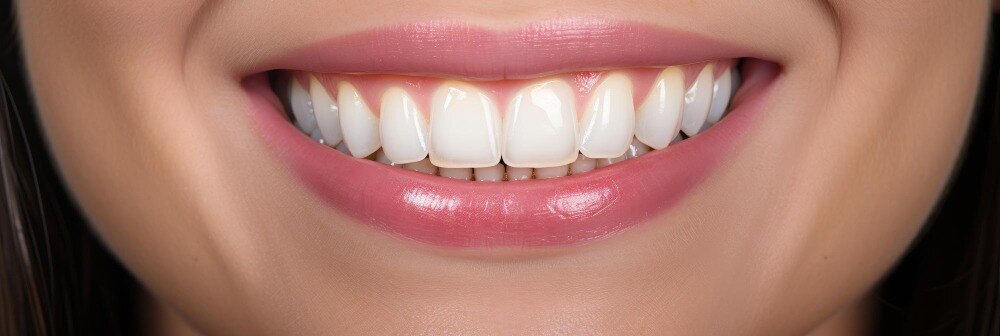
The first consultation decides whether cosmetic treatment is safe and what it needs to achieve. You discuss your smile goals, including tooth display, shape, length and colour, rather than choosing a veneer shade in isolation.
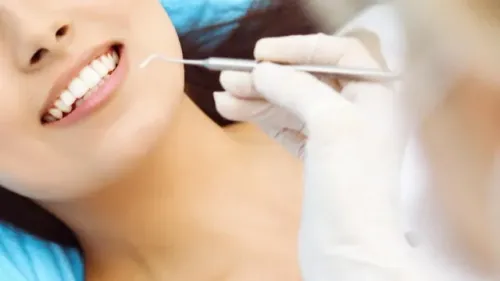
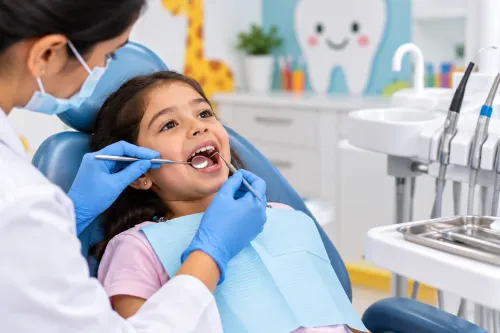
1. The dentist examines every tooth and the surrounding gums for decay, leaking fillings, gum disease, tooth wear, cracks, infection and bite problems. They also assess existing restorations, tooth position and whether clenching or an unstable bite could overload future veneers.
2. Dental photographs record your smile at rest and while speaking and smiling. An intraoral scan or impression captures tooth surfaces and the way your upper and lower teeth meet, giving the dentist and laboratory a workable design record.
3. The proposed plan may include whitening, gum treatment, bonding, orthodontic alignment or restorative care before veneers. Active disease, untreated gum inflammation and an unstable bite must be addressed first; veneers or whitening cannot make unhealthy teeth safe.
A digital preview or temporary mock-up can show how changes to contour and length may look and let you test speech, lip support and tooth display. It is a planning aid, not a guarantee: the final appearance can differ because of bonding conditions, material properties, gum position and individual healing.
For a smile makeover in Delhi, ask when whitening will occur. Whitening usually comes before final shade selection because bleaching lightens natural enamel, not porcelain, ceramic or composite restorations.
How does a veneers consultation decide whether veneers suit you?
Suitability hinges on whether your teeth can support the change you want. A veneers consultation in Delhi should check enamel thickness, exposed dentine, cracks, existing fillings or crowns, tooth wear, caries risk, hygiene, gum health, bruxism, clenching and bite forces. Active decay, gum disease, weak structure or damaging forces require treatment first.
Porcelain or ceramic veneers offer a different balance of appearance and stain resistance from direct composite bonding, but preparation is often irreversible. Composite bonding preserves more tooth tissue, is easier to repair and may require a different appointment pattern.
| Option | What it changes | Better fit or limitation |
|---|---|---|
| Whitening | Suitable natural tooth colour | Does not change position, shape, restorations or missing teeth |
| Bonding | Smaller chips, gaps or shape defects | More repairable; composite can stain or wear |
| Veneers | Front-surface colour and contour | Not a substitute for treating crowding, missing teeth, weak structure or gum disease |
| Crowns | Covers more of a damaged tooth | Suits substantial loss of tooth structure |
| Orthodontics or Invisalign | Moves teeth | Suits crowding or tooth position, not colour alone |
Ask a cosmetic dentist in Delhi:
- Which material, preparation amount and laboratory process will you use?
- How will you assess bite forces, clenching, cracks and tooth wear?
- What alternatives fit my goals: whitening, bonding, crowns, orthodontics or Invisalign?
- Which fillings or crowns need attention, and how will hygiene and caries risk be managed?
Why is whitening usually planned before the veneers?
Whitening usually comes before final veneer shade selection because peroxide lightens natural tooth structure, not porcelain, ceramic or composite restorations. Choosing veneers first can leave them looking darker than your later-whitened teeth.
- At a teeth whitening appointment in delhi, the dentist checks for cracks, exposed dentine, decay and defective fillings or crowns. Medication-related, trauma-related and developmental discoloration may respond poorly, so the cause matters.
- The dentist protects your gums and other soft tissues with isolation, then applies a dentist-supervised peroxide gel. Some systems include an optional light; the treatment duration follows that system’s protocol, not a standard number of minutes.
- The alternative is custom home trays. You wear the prescribed gel for the specified time over several days, with adjustments to concentration, wear time or treatment intervals if sensitivity occurs.
- After whitening, wait for shade stabilisation before choosing the final veneer colour. Bleaching after placement cannot lighten veneers, so whitening only selected natural teeth later can create a visible mismatch.
Ask these questions before accepting the veneer teeth for whitening process in delhi:
- What peroxide concentration will you use?
- How long will each in-office session or home-tray wear period last?
- How will you isolate my gums and protect exposed dentine?
- What sensitivity controls are available?
- Does the plan use home treatment, in-office treatment or a combined approach?
A very opaque shade can also look artificial beside untreated teeth, especially when only some teeth receive veneers.
What happens from tooth preparation to veneer bonding?
1. After the examination and shade plan, the dentist completes a professional cleaning if plaque, calculus or surface stains could affect colour assessment. Whitening follows when planned, using the agreed in-office, home-tray or combined protocol. Allow shade stabilisation before the final veneer colour is selected; bleaching cannot lighten porcelain, ceramic or composite veneers later.
2. Tooth preparation may remove a controlled amount of enamel from the front surface. The amount varies with tooth position, veneer design and the dentist’s plan. Reducing enamel is irreversible, and “no-prep” veneers are not suitable for every mouth because adding material can make teeth look bulky or affect the bite.
3. Expect pressure, vibration and possible sensitivity during preparation; treatment is not guaranteed to be painless. The dentist then takes new photographs, digital scans or impressions so the laboratory receives the prepared tooth shape and the approved shade.
4. A mock-up or temporary veneers may be placed before fabrication. Use this stage to assess length, contour and speech, but remember that a preview cannot guarantee the final appearance.
5. The laboratory fabricates the veneers from the prescription, photographs, scans or impressions. At the try-in, check colour, margins, length, contour, speech and bite before accepting the design.
6. Once you approve the fit, the dentist prepares the surfaces, applies dental adhesive and bonds each veneer. At Dr Batra's Dental, ask how the planned shade is recorded, which laboratory process is used, whether a try-in is offered and what happens if your bite needs adjustment.
Related service
Smile Makeovers(Veneers & Teeth Whitening) Smile Makeovers(Veneers & Teeth Whitening) Enhance your smile with personalized Smile Makeover treatments at Dr. Batra's Dental Clinic. View service → |
What should you expect after whitening and veneer placement?
Sensitivity after peroxide whitening is usually temporary, but the duration varies with the material and concentration used, tray fit, gum isolation and treatment intervals. Gum irritation or a chemical burn can also occur. Follow the supplied instructions rather than extending wear time or repeating applications early.
Follow your dentist’s protocol on strongly coloured foods and drinks immediately after whitening. Use fluoride toothpaste and contact the practice if pain is severe, worsening, localised, prolonged or accompanied by swelling.
Veneers do not make teeth failure-proof. Problems include:
- Chipping
- Fracture
- Debonding
- Wear
Clenching and grinding increase these risks. A night guard or bite management can reduce the load, but neither guarantees that veneers will remain intact. Replacing a failed veneer may require further tooth alteration.
Long-term care protects both the veneer and the tooth beneath it. A tooth can decay at the veneer margin, while inflamed gums can expose or stain that edge. Keep these habits:
- Clean daily around the gumline and between teeth to control plaque.
- Use fluoride toothpaste.
- Limit frequent sugary or acidic foods and drinks.
- Attend regular dental reviews so small margin, gum or bite problems are found early.
Frequently asked questions
What happens at the first smile makeover consultation?
You discuss your smile goals, including tooth display, shape, length and colour. The dentist examines your teeth and gums and plans treatment around your oral health and desired result.
How does a veneers consultation decide whether veneers suit you?
The dentist checks your enamel, existing restorations, bite, tooth position, decay and gum health. These findings determine whether veneers are suitable or whether another treatment should come first.
Why is whitening usually planned before the veneers?
Whitening first lets the dentist select veneer shades against your final tooth colour. Veneers do not whiten with bleaching, so whitening afterward can leave natural teeth and veneers mismatched.
What happens from tooth preparation to veneer bonding?
The planned tooth shape and shade are reviewed, the tooth is prepared when required, and the veneer is tried in before bonding. The dentist then checks the fit, bite and appearance.
What should you expect after whitening and veneer placement?
You may notice temporary sensitivity after whitening and need to follow the clinic’s food and drink guidance. After bonding, report persistent pain, a high bite, looseness or rough edges for review.
Keywords